Best & Cheapest Time to Visit Aruba
Figuring out the best time to visit Aruba comes down to what you want most: wall-to-wall sunshine, the lowest possible prices, or a beach that feels like it’s yours. The happy news is that Aruba delivers on all three, just in different months. This little Dutch Caribbean island stays warm, dry, and breezy nearly every day of the year, so there’s no truly bad time to go. The real question is how to match your trip to the window that fits your budget and your vibe.
Here’s Aruba’s biggest advantage over most of the Caribbean: it sits outside the main hurricane belt. While islands farther north and east sweat out late-summer storms, Aruba keeps its steady trade winds and clear skies, which makes off-season travel here far less of a gamble. That’s why savvy travelers book all inclusive Caribbean getaways to Aruba in the quieter months and still enjoy picture-perfect weather.
Below you’ll find a full breakdown by season, a month-by-month table, and simple tactics to keep costs down.

Best Time to Visit Aruba for Good Weather
If weather is your deciding factor, you can relax, because Aruba’s climate is about as reliable as it gets. The island averages more sunny days than almost anywhere else in the Caribbean, with daytime highs hovering in the low to mid 80s Fahrenheit year-round. Rainfall is low across the board, and when showers do arrive, they tend to be brief and pass quickly, usually in the fall. Also, constant trade winds keep the humidity in check and the beaches comfortable even at midday.
Peak tourist season runs December through April, and it lines up with the island’s driest, coolest, breeziest stretch. This is when northern travelers flee the cold, so the weather is flawless, and the resorts are lively. That said, the difference between a January afternoon and a September one in Aruba is small. You’re getting sunshine and warm water no matter which month you pick, so you can book around price and crowds without worrying that the forecast will let you down.
One thing worth knowing: that famous breeze can be deceiving. The trade winds keep you feeling cool even when the sun is strong, so it’s easy to underestimate how much you’re actually getting. Pack plenty of sunscreen, a hat, and a light cover-up no matter which month you choose. The sea stays warm and swimmable all year too, generally sitting in the low 80s Fahrenheit, so you’ll never have to psych yourself up for that first step into the water.
In short, Aruba takes the guesswork out of the forecast and lets you plan around the things that actually move the needle: cost and crowds.
Cheapest Time to Visit Aruba
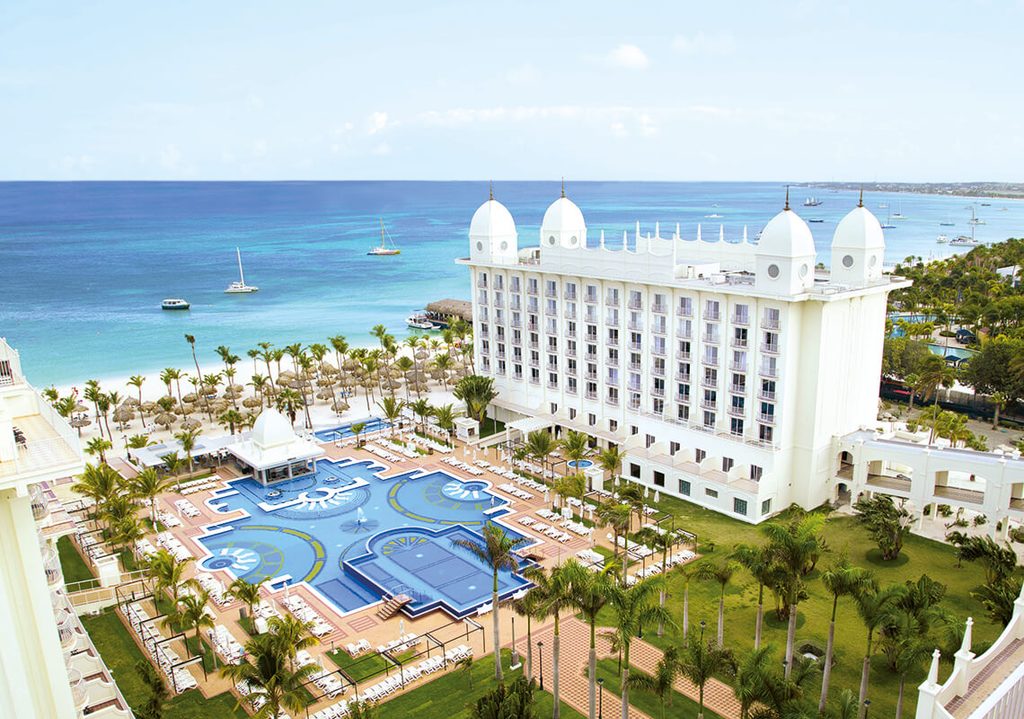
The cheapest time to visit Aruba is September through November, the traditional Caribbean off-season. Resort rates and airfare drop to their lowest points of the year during this stretch, and because so many sun-seekers wait until winter, you’ll find thinner crowds and easier availability. On other Caribbean islands, fall travel means rolling the dice on hurricane season. In Aruba, sitting outside the main hurricane belt means late-summer and fall trips carry far less storm risk, so you capture the savings without the same weather worry.
The reason prices fall is simple supply and demand. Winter is when the island is busiest, so resorts price accordingly. Once spring break ends, rooms sit emptier and rates slide to fill them, which is exactly the opening budget-minded travelers want. Don’t picture a sleepy, shuttered island in the off-season, either. Aruba’s restaurants, tours, dive shops, and beach bars run year-round, so a September or October trip still feels vibrant. You’re simply sharing the sand, the snorkel spots, and the dinner reservations with far fewer people, which plenty of travelers count as a perk in its own right.
May through August is the other big value window. These months often run 20 to 50% cheaper than the winter peak while still serving up hot, sunny days perfect for the beach. Early December is a short, underrated bargain too: prices stay soft for the first week or two before holiday demand kicks in, so you can grab a pre-Christmas escape at shoulder-season rates. If keeping the trip affordable is the priority, these are your windows. Pairing them with budget-friendly all inclusive resorts stretches the savings even further.
The Best Value Months
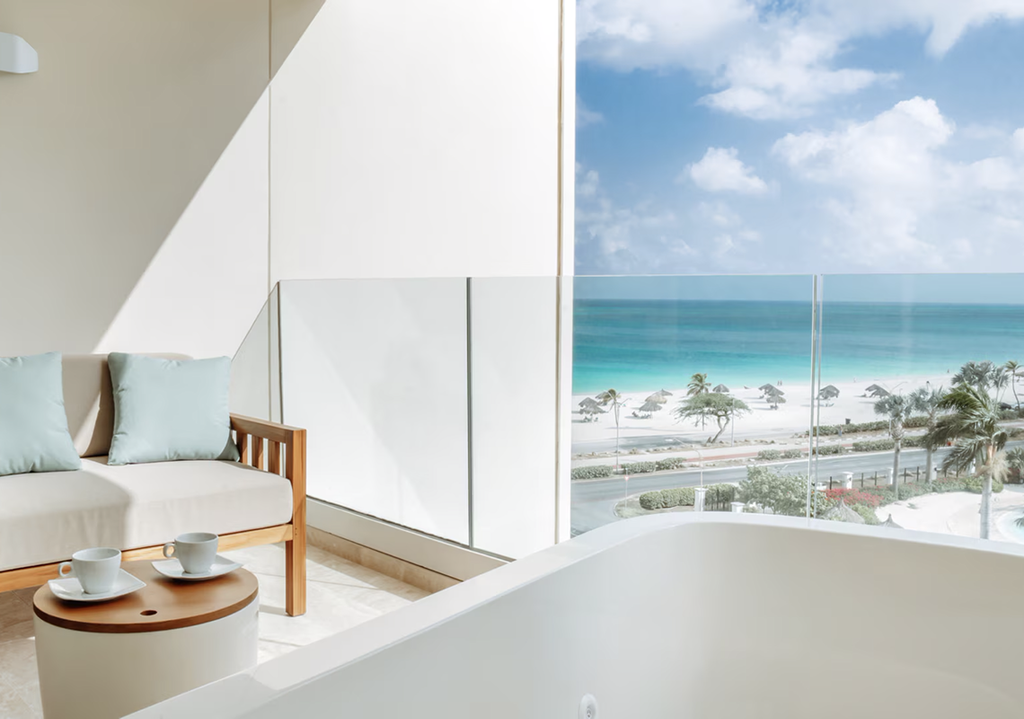
Value is where budget and good weather overlap, and in Aruba that sweet spot lands in the shoulder months. Late spring and early fall give you the best of both worlds: prices well below the winter high, crowds that have thinned out, and the same dependable sunshine the island is known for. If you can be even a little flexible with your calendar, these are the weeks that deliver the most vacation for the least money.
- May: Winter crowds have gone home, rates drop noticeably, and the weather is still dry and hot. One of the smartest months to book.
- June through August: Summer pricing with great beach weather. Ideal for families traveling on school breaks who want value without sacrificing sunshine.
- September through November: The lowest prices of the year and the quietest beaches, with Aruba’s outside-the-hurricane-belt location keeping storm risk low.
- Early December: A brief pre-holiday window where you can still catch off-season rates before the Christmas rush arrives.
Aruba Weather Month by Month
Here’s how the year breaks down at a glance, so you can match the weather, crowds, and pricing to the trip you have in mind.
| Month | Weather | Crowds & Price | Notes |
|---|---|---|---|
| January | Sunny, dry, breezy, low 80s | Peak crowds, highest prices | Classic winter escape; book early |
| February | Dry and warm with steady trade winds | Peak crowds, high prices | Flawless beach weather |
| March | Warm, sunny, very little rain | Peak crowds, high prices | Spring break demand keeps rates up |
| April | Hot, dry, and bright | Tail end of peak, prices easing | Great weather as crowds start to thin |
| May | Hot and dry, reliably sunny | Shoulder season, prices drop | Top value month |
| June | Hot, sunny, occasional quick shower | Lower crowds, good value | Summer deals begin |
| July | Warm and dry with strong breezes | Family travel uptick, still good value | Great for windsurfing |
| August | Hot and sunny, steady winds | Moderate crowds, value pricing | Reliable beach days |
| September | Warm, a bit more humid, brief showers | Lowest crowds and prices | Outside the main hurricane belt |
| October | Warm with occasional short rain | Lowest prices of the year | Quiet beaches, big savings |
| November | Warming back up, showers tapering off | Off-season rates, light crowds | Excellent value before winter |
| December | Dry, sunny, breezy | Cheap early, then holiday peak | Book the first week or two for deals |
Best Time to Visit Aruba for…
Different travelers want different things out of an Aruba trip. Here’s the quick guide to the best window for each priority.
- Best for your budget: September through November for the lowest prices, with May and early December close behind.
- Best for fewer crowds: September and October, when the beaches on Eagle Beach and Palm Beach feel wide open and relaxed.
- Best for windsurfing and water sports: May through July, when the trade winds are at their strongest and most consistent.
- Best for warm swimming and flawless beach days: December through April, Aruba’s driest and sunniest peak stretch.
No matter which priority tops your list, you’re choosing from a short list of genuinely good options, and that’s a big part of what makes Aruba such an easy place to plan around. There’s no month you’ll regret, only trade-offs between price, crowds, and how much wind you want at your back.
Tips to Save on an Aruba Vacation
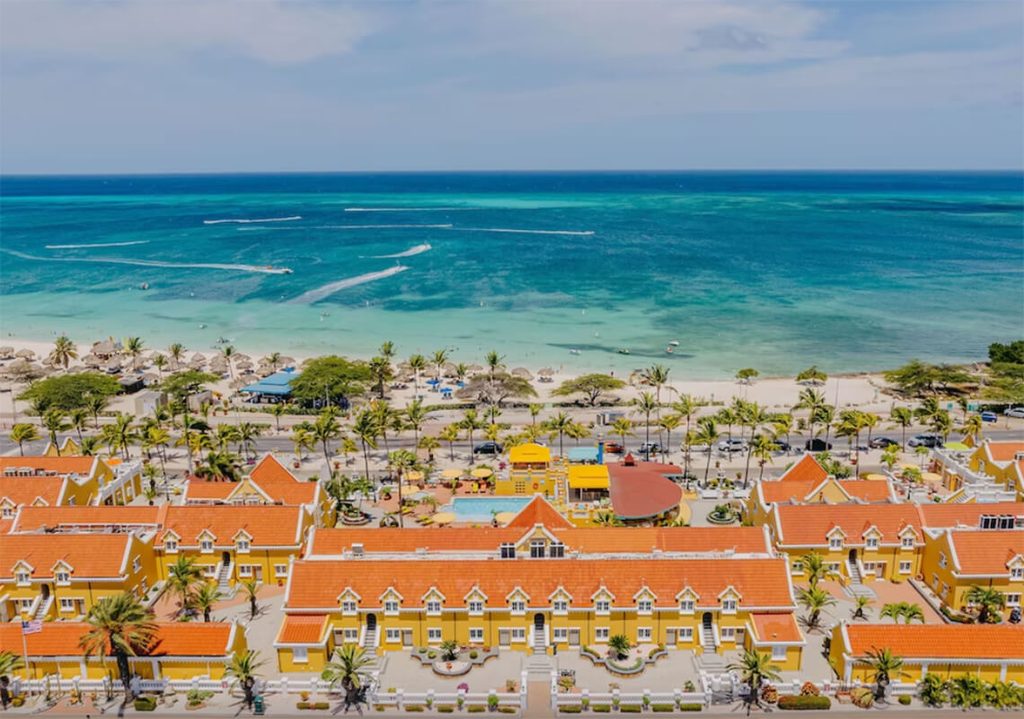
A few simple moves can shave hundreds off the total without changing the trip you actually take.
- Travel in the off-season. Booking September through November, or May through August, can run 20 to 50% cheaper than the December-through-April peak for the same sunshine.
- Book an all inclusive package. Bundling your flight and resort locks in meals, drinks, and a room under one price, which keeps daily spending predictable. Check current Aruba vacation deals to compare.
- Be flexible with your dates. Shifting a trip by a week, or flying midweek instead of on a weekend, can drop airfare and resort rates noticeably.
- Choose a standard room. Entry-tier rooms deliver the same beach, pools, and dining as pricier ocean-view suites for a lot less, so you can put the savings toward experiences.
Frequently Asked Questions
When Is the Best Time to Visit Aruba?
The best time to visit Aruba depends on your priorities. For flawless weather and a lively scene, December through April is the dry, sunny peak. For the best mix of good weather and lower prices, aim for the shoulder months of May or September through November, when the island stays warm and the crowds thin out. Because the weather is so consistent, most travelers end up choosing their dates around budget and how busy they want the beaches to feel.
When Is the Cheapest Time to Visit Aruba?
September through November is the cheapest time to visit Aruba, with resort rates and airfare at their lowest for the year. May through August is another strong value window, often 20 to 50% below peak pricing, and the first week or two of December offers short pre-holiday savings before rates climb. Thanks to Aruba’s position outside the main hurricane belt, those low-season months carry much less storm risk than they would elsewhere in the Caribbean.
When Is the Best Time to Visit Aruba to Avoid Hurricanes?
Aruba sits outside the main Caribbean hurricane belt, so storm risk is low all year, including the late-summer and fall months when islands farther north face their highest risk. That makes September through November a safe and affordable choice in Aruba, even though it’s considered hurricane season elsewhere in the region. It’s one of the biggest reasons the island is such a reliable pick for off-season travel.
When Is the Best Time to Visit Aruba With Family?
For families tied to the school calendar, June through August is the best time to visit Aruba. Those summer months pair warm, dry beach days with value pricing, so you get peak-quality weather without peak-season rates. If your schedule is more flexible, early fall is even cheaper and quieter. Either way, an all inclusive family vacation keeps meals, drinks, and activities bundled so the budget stays easy to manage.
What Is the Weather Like in Aruba Year-Round?
Aruba is warm, dry, and sunny nearly every day, with highs in the low to mid 80s Fahrenheit and steady trade winds that keep the air comfortable. Rainfall is minimal and usually comes as brief showers in the fall. It’s one of the most dependable beach climates in the Caribbean, which is why the island draws visitors in every month of the year.
Do I Need a Passport to Visit Aruba?
Yes. Aruba is not a U.S. territory, so U.S. citizens need a valid passport to enter. It’s smart to make sure your passport has plenty of validity remaining before you travel, and to check any current entry requirements ahead of your trip.
Book Your Aruba Vacation Today
Whenever you choose to go, Aruba rewards you with sunshine, warm water, and some of the most reliable beach weather in the Caribbean. Pick the peak season for a lively, flawless-weather escape, or the shoulder and off-season months to save big while still soaking up the sun. Whatever window fits your plans, browse current Aruba all inclusive deals to compare dates and lock in your trip. Traveling with the kids? Our all inclusive family vacations make it easy to plan a getaway everyone will love.


Maggie Sabin
Maggie started as the SEO Manager at DestinationWeddings.com in 2024, where she works to drive organic traffic and conversions while creating meaningful, SEO-optimized content for the website. Previously, Maggie's career spanned from Human Resources & Recruitment to teaching at international schools for almost 10 years. Maggie spends her free time traveling, learning new languages, reading non-fiction books, working out, going to the beach and spending time cuddling her dog, Lola!